A Stage Direction Is Not a Handcuff
Stage directions guide action without dictating every gesture. Learn how actors and directors can interpret a script while keeping its dramatic action clear.
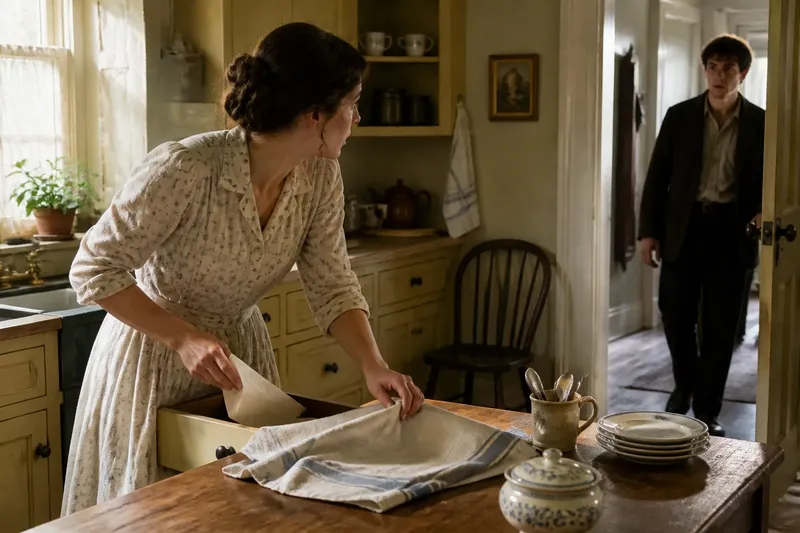
A stage direction can tell an actor to leave a room without dictating the pace, route or expression. Reading stage directions well means separating the event the audience must understand from the choices a company can make in rehearsal.
Separate the essential event from its interpretation
Consider an invented scene in a small kitchen. Mara hides a letter from her brother Ivo, hears footsteps, and leaves before he enters. The script establishes the order of events, but may not specify whether she conceals the letter neatly or hurriedly, recognises the footsteps, or leaves through the kitchen or hallway.
Those details can shape the audience’s reading, so the company should choose them deliberately. First identify what must remain clear: Mara hides the letter, the approaching person prompts her exit, and Ivo arrives after she has gone. A choice that obscures or changes one of those facts needs reconsideration.
Not every written instruction is optional. A direction may establish a fact, mark a change in time, specify who sees an object or enable a later event. If the text says Mara gives Ivo the letter, having her hide it changes the action. A note that she hesitates may allow more room for interpretation: the pause could be brief or prolonged, visible or nearly concealed.
Test playable choices in rehearsal
Instead of prescribing a gesture, a director can give the actor a playable intention. For Mara, try concealing the letter quickly, carefully or while pretending nothing is happening. Each choice gives the actor a task and lets the company compare how the scene reads.
In a quick version, Mara pushes the letter into a drawer and turns towards the sound before closing it. In a careful version, she folds the letter, places it beneath papers and shuts the drawer softly. In a casual version, she keeps setting the table and slips it beneath a tea towel. These are rehearsal options, not new instructions that every production must follow.
Watch from the back and sides of the room. If the audience cannot see the concealment, adjust the actor’s angle or the object’s position before making the movement larger. If the gesture looks like a signal, reduce its emphasis. The aim is to make the action legible without turning a private moment into a presentation.
Say the company chooses the casual version. Mara wipes the table, slips the letter beneath a folded tea towel, then stills at a familiar step and exits through the hallway. The hallway route works if it fits the set and preserves her departure before Ivo arrives. The stillness marks her shift from ordinary activity to alertness.
Make entrances and objects serve the same sequence
The director can cue Ivo’s entrance to the sound of the hallway door closing. That links Mara’s exit to his arrival without requiring an elaborate sound effect. Ivo then crosses to the table to look for a spoon, rather than looking directly at the tea towel.
To keep his task clear, the actor might set out a cup or glance at the empty place beside it. That gives his search a practical purpose and avoids suggesting that he knows about the hidden letter. The audience can understand the physical action while remaining uncertain about why Mara fears Ivo finding it.
Check the scene from several seats. If Mara’s body blocks the drawer from a side view, change her position or move the tea towel. Preserve the audience’s access to the important event; do not enlarge the gesture unless that is the clearest solution.
How should a company interpret stage directions?
How do you tell whether a stage direction is essential?
Ask whether changing it would alter a fact, sequence or later event the script depends on. Preserve that function; a direction about manner may leave room to interpret how the action is played.
Can a director change a character’s route across the stage?
Often, if the new route preserves the event and fits the scene’s geography. In Mara’s scene, the hallway exit works if she still leaves before Ivo enters.
What should an actor do with a direction that names an emotion?
Translate the emotion into a playable action instead of displaying a label. If Mara is afraid, the actor might hide the letter, listen for footsteps and decide to leave.
How can a small production make an action easier to see?
Adjust the actor’s angle, object placement or timing before enlarging the movement. Views from the back and sides can show whether the audience can follow the event.
Check the choices against the script and staging
Before settling the scene, each performer can state their character’s task at the key moments. Mara hides the letter, identifies the approaching person and leaves before Ivo sees her; Ivo looks for a spoon and prepares to make tea. The tasks differ, but the sequence connects them.
Check later lines and practical constraints. If the script says Ivo saw Mara leave, the exit and timing may need adjustment. If it says the letter is already in the drawer, hiding it beneath the tea towel could conflict with what follows. The text and stage layout should decide which options remain available.
A concise rehearsal note can record the cue, visible event and reason for the choice: footsteps begin; Mara hides the letter beneath the tea towel; she exits through the hallway; Ivo enters after the door closes. If a later run is confusing, identify the unclear link and adjust it: reposition the object if the concealment is missed, refine the cue if the exit feels unrelated, or clarify Ivo’s task if he appears to know about the letter.
Good stage directions leave performers room to shape pace, gesture and intention while protecting the scene’s action. Keep that distinction in view: the audience should follow what happens, even when the company leaves the reasons and emotional meaning open.